11 June 2022
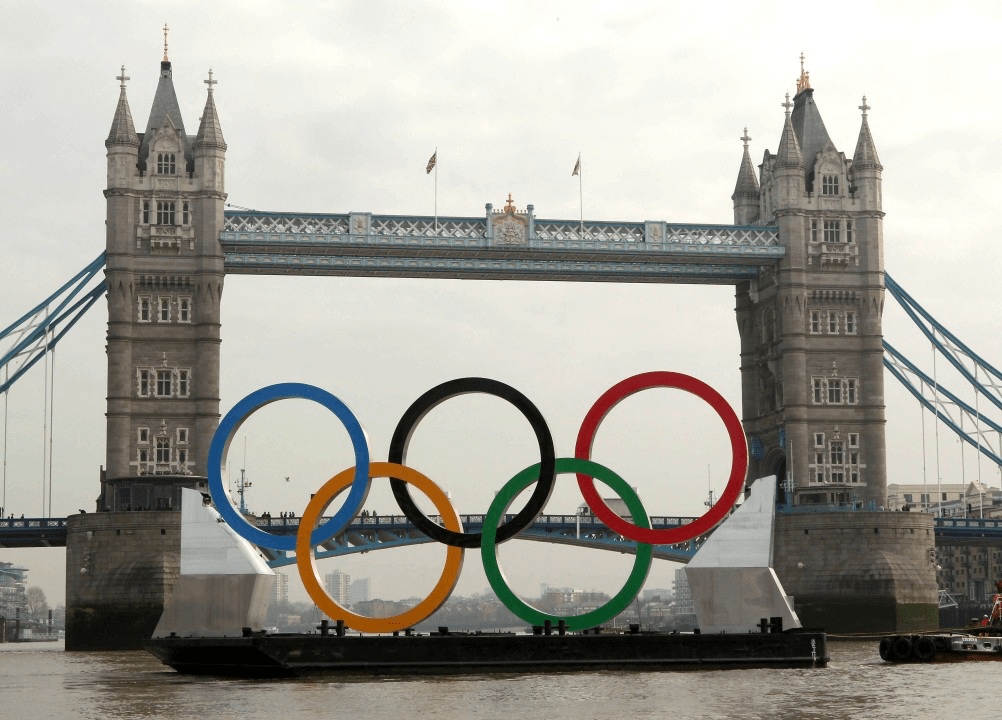
So as we left off in the last post, I got the change to start working on the London 2012 Olympics. I packed my bags and headed down to London in September 2009, starting as the first network architect on the project, that eventually grew to run a team of 8 direct reports and indirectly look after a team of tens of venue engineers. I never saw myself as a manager, and it wasn’t something that I directly aspired to – however it also seemed like I had a good knack of building fantastic teams and getting the best out of them. The ‘Olympic Experience’ was a hugely formative one for me, working in a critical environment where delays and downtime were not an option. Yet again I was surrounded by hugely talented people I got to learn and grow from, becoming more involved in general infrastructure than just networking, and also helping to bring x86 virtualisation for the first time in an Olympics.
I think one of the key things for me was how the whole team would work together, from the application developers, infrastructure team, venue IT teams, results teams and more – a whole team working as one to deliver. DevOps was a nascent term in 2010, but perhaps something we were doing before it really took off and became more formalised as it is today.
Working closely with the telecoms and equipment partners BT, Cisco and Acer, my team built and managed a network spanning something like 50 venues and two core data centres consisting of over one thousand network devices, securely supporting thousands of clients and hundreds of servers to deliver the Games.
This resulted in me being offered the opportunity to take my knowledge to Brazil and the Rio 2016 Games to design, build and run the IT Infrastructure. Again, this might have been a bit before the term ‘private cloud’ took off, but that I guess is what we ended up building! Working in a brand-new country, building a local team, learning the culture was a fantastic experience, with the added bonus of making a set of great friends who have now spread out across the world, making their own amazing careers.
Building on top of my previous experiences, we delivered a hugely successful infrastructure project: reducing the data centre server count by something like 80% while improving speed of delivery of new servers through automating end to end deployments using a data driven approach. It was also my first taste of PaaS, looking at how we could take our application stack and run them on a PaaS instead of spinning up VMs and middlewear per application; an experience that would be a key part of the next phase of my career and set the ground for the move in to containerisation and container orchestration. Also worth mentioning is the continual evolution of security, each Games presents new challenges with how we secure it; I think somewhere out there on the net is a video interview I did discussing the growing security threats and how we have to continue to evolve to deal with them.
Then there was Rio itself! Living in Rio was very influential on me for sure (not least because that’s where I met the person who would become my husband!). Although I had worked with multi-national teams before, being fully immersed in another culture very much was a key step for me and the Olympics really does take multi-national teams to a new level – counting on my hand now I think I had the opportunity to work with people from nearly every continent (Antarctica was missing!) and I’ve lost track of the number of countries. This was a huge opportunity to learn how different cultures work, how successful teams are built and come together, and how to get the very best out of the team.
As Rio came to an end, I faced a decision of continuing with the Olympics and moving to Tokyo, or returning to the UK. This in the end wasn’t that difficult to decide for a multitude of reasons, but the decision was to move back to London and take up a position in the Cloud Services division, heading up a newly formed Microsoft Cloud Engineering team. But that’s for the next post!
 Adam's Thoughts
Leave a comment